舌发育不全-指发育不全综合征
(Hypoglossia-Hypodactylia Syndrome) 颅面与五官畸形综合征 全本详注版| 致病基因 / 机制 | 染色体定位 | 遗传方式 | 发病率估计 |
|---|---|---|---|
| 未知 | 未知 | 散发性;不能排除常染色体显性遗传 | 极罕见 |
疾病概述与分子发病机理 (Genetics & Basic Defects)
流行病学数据、致病突变位点、信号转导通路及组织病理生理学
流行病学与全篇概述
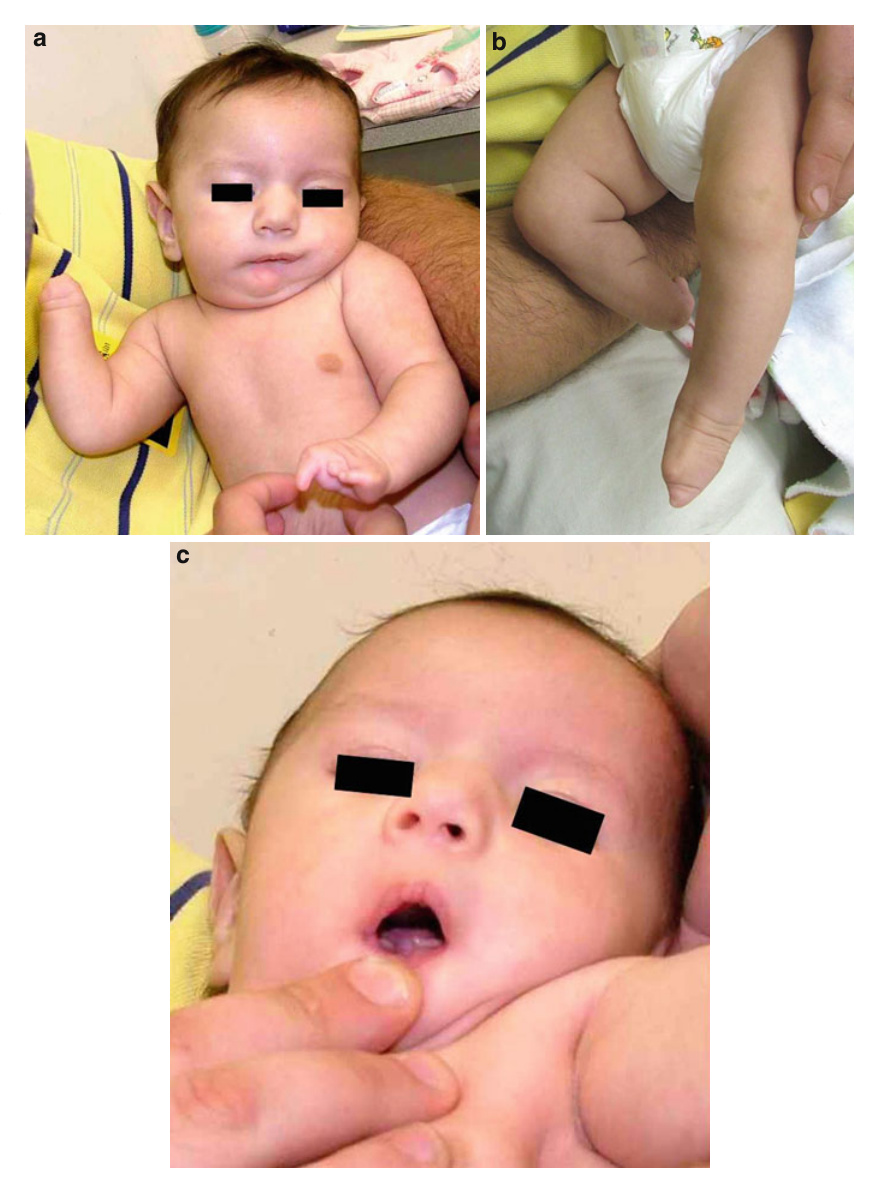
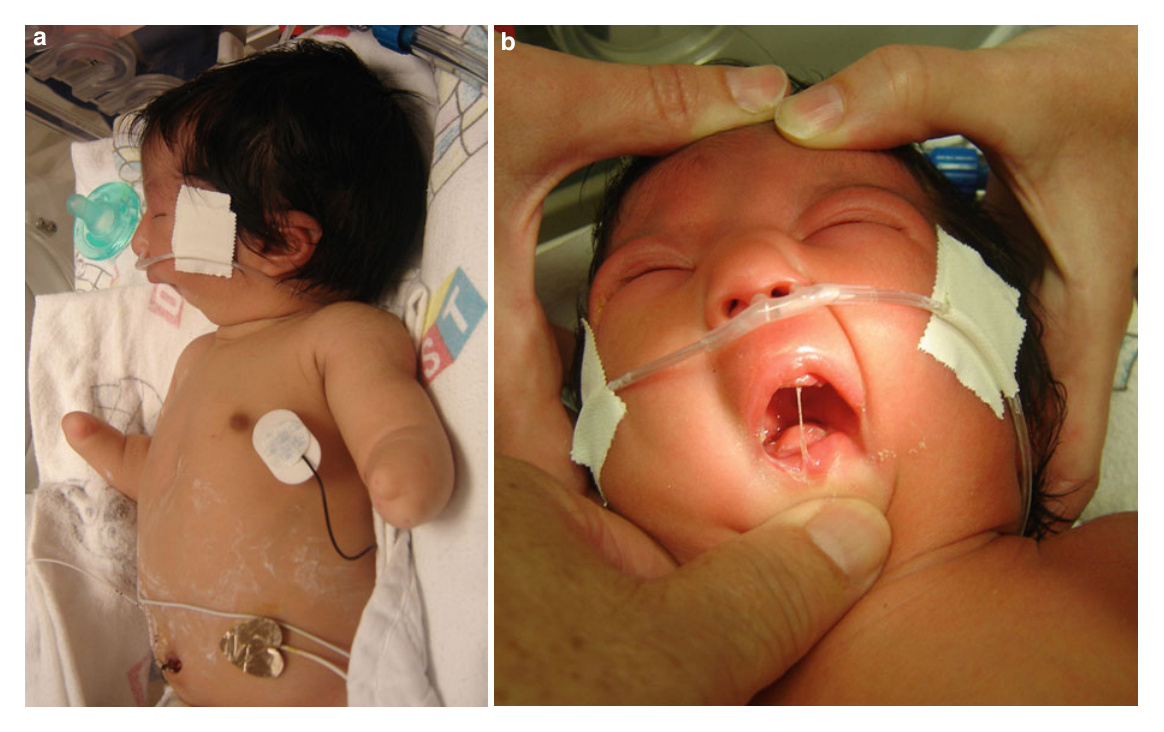
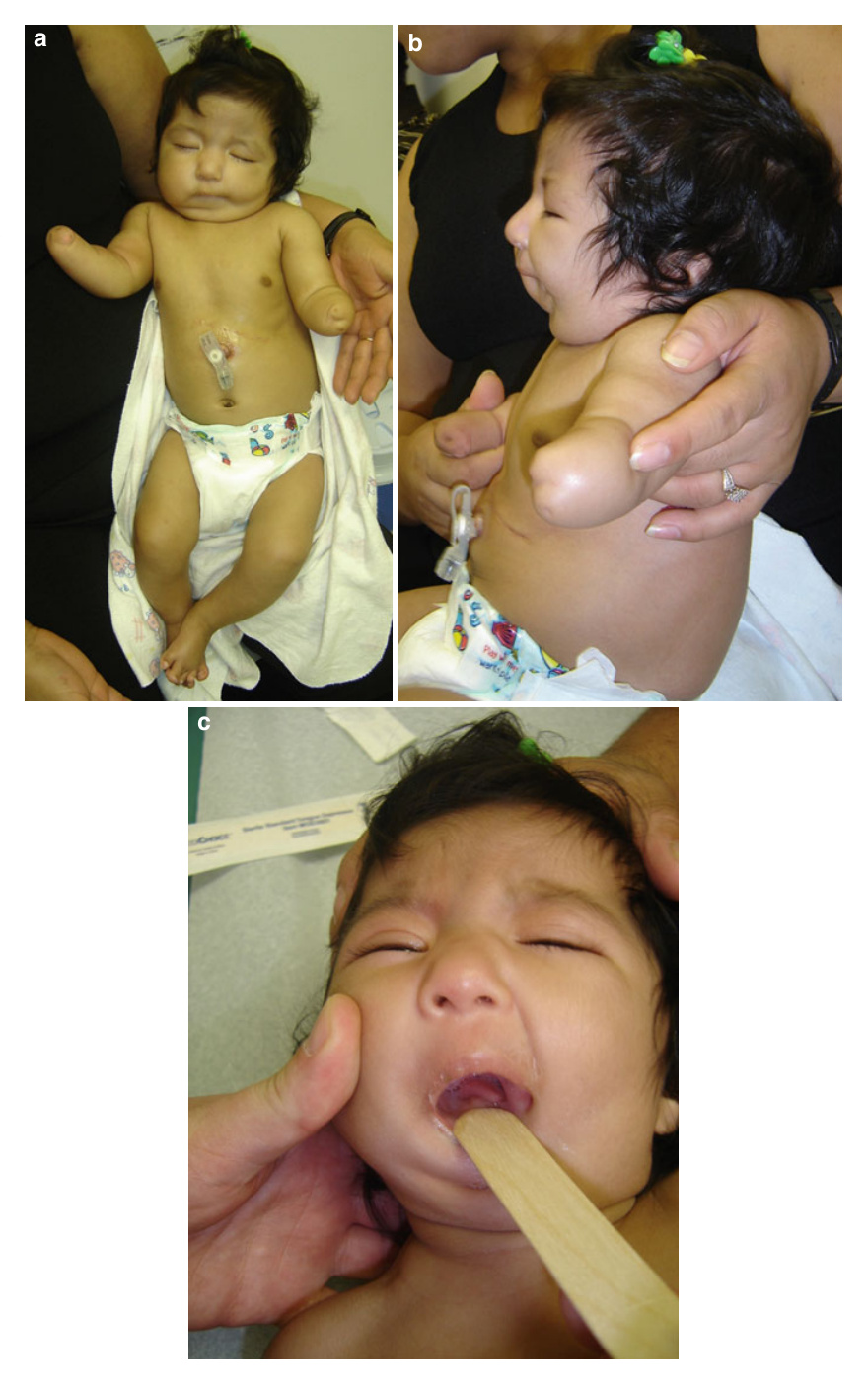
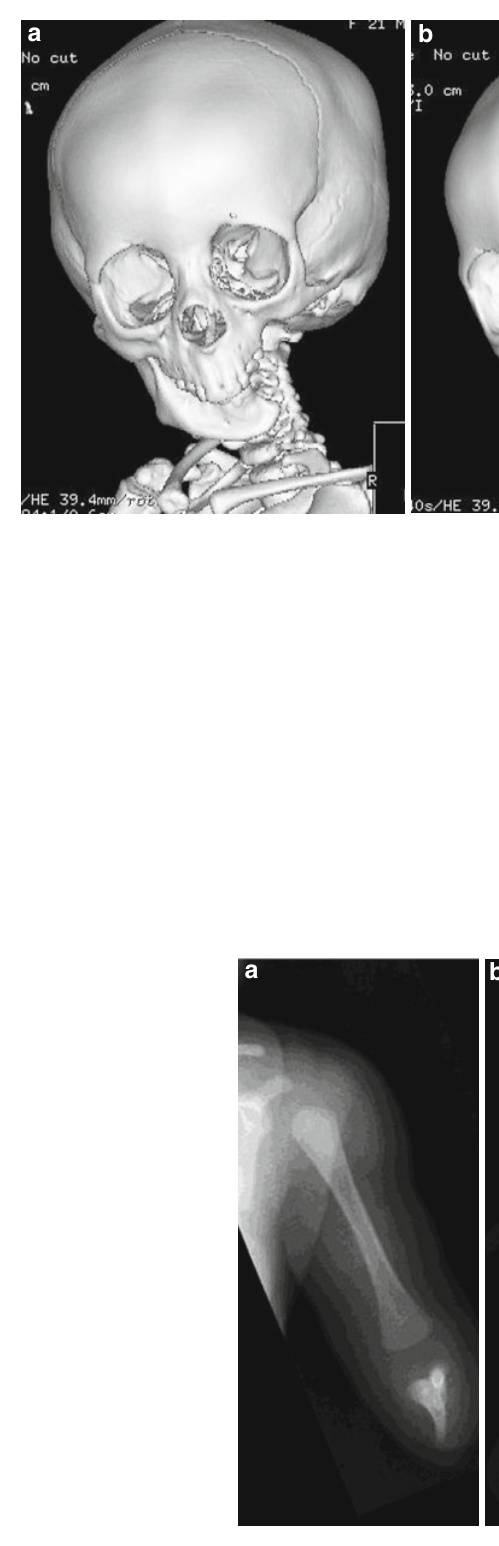
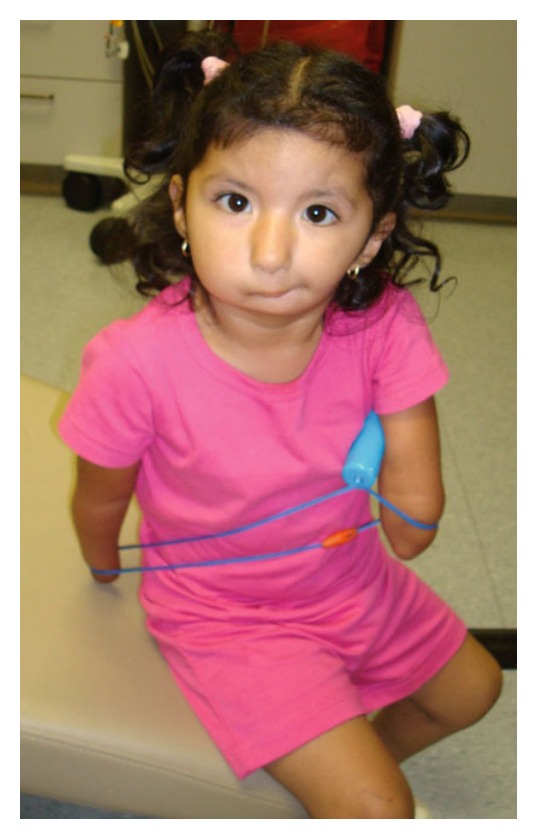
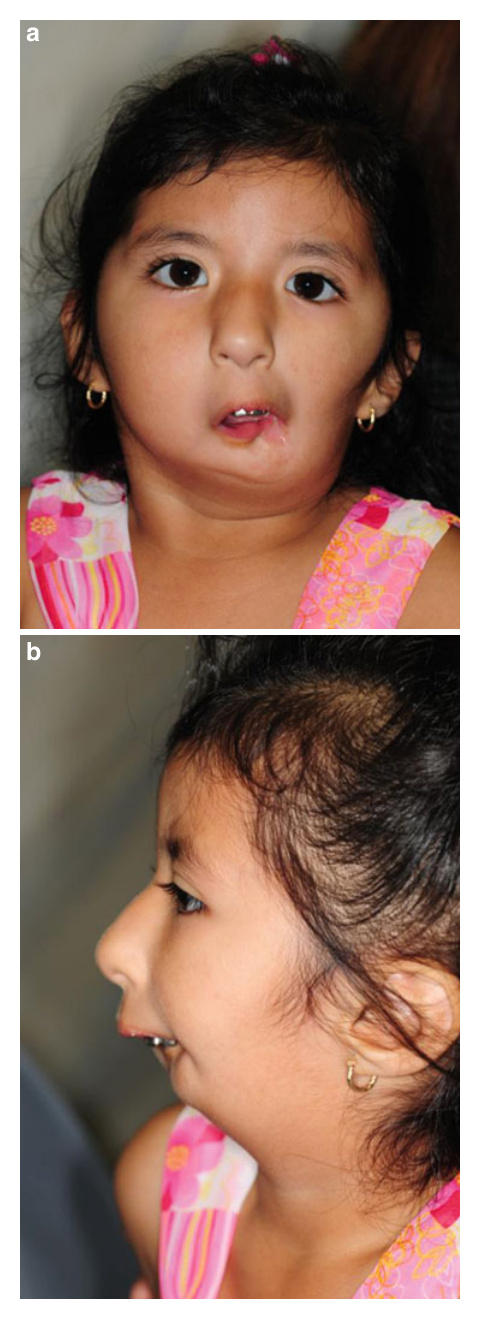
舌发育不全-指发育不全综合征是一种极罕见的疾病,特征为小舌(舌发育不全)合并远端肢体缺陷。该综合征也被称为无舌-无指综合征,但此命名并不准确,因为舌从未完全缺失,且“无指”一词未能涵盖患者肢体缺陷的变异范围。该综合征还被称为口下颌肢体发育不全综合征,是一组影响舌、口下颌区域和肢体的先天性畸形谱。所有报道病例均为散发性,但不能排除常染色体显性遗传。发病机制可能涉及胎儿早期(第4至第7周)的损伤或损害,因为舌和肢体的发育在时间上密切相关;下颌发育不全合并舌发育不全可用下颌与舌起源于同一鳃弓来解释;血管机制(出血或血管闭塞)可能导致不对称且总是位于远端的缺陷。临床表现包括下颌的微/缩颌、少牙、下颌切牙缺失伴相关牙槽嵴发育不全、轻度下唇缺陷、小口畸形、口内束带、口腔系带、口腔颌融合;舌的不同程度发育不全、舌系带短缩、舌下肌肉嵴明显增大、舌下腺和下颌下腺肥大;以及可变肢体异常,可累及任何肢体,表现为远端缩减异常(少指、无指、肢体远端严重先天性畸形)、并指。其他相关异常包括Moebius综合征、大阴唇融合、单侧肾缺如、肛门闭锁。智力正常。Hall(1971)将口下颌和肢体发育不全综合征分为I至V型。鉴别诊断包括Hanhart综合征、舌腭粘连综合征、肢体缺陷-脾性腺融合综合征和Moebius综合征。诊断检查包括X线摄影、颅面骨骼结构的三维CT重建、舌和口底的MRI。遗传咨询:患者同胞再发风险不增加;患者后代再发风险不增加,除非该病症代表常染色体显性遗传,此时有50%风险生育受累后代。产前诊断尚未见报道。管理包括对危及生命和干扰吞咽、呼吸和进食的严重异常进行早期手术干预、拔除多生牙、正畸扩弓矫治器扩宽下颌牙弓、牵张成骨改善发育不全下颌的大小和形状、下颌前移。
遗传模式与家系特征
所有报道病例均为散发性。不能排除常染色体显性遗传。患者同胞再发风险不增加;患者后代再发风险不增加,除非该病症代表常染色体显性遗传,此时有50%风险生育受累后代。
致病基因与突变谱系
致病基因未知。未发现明确的基因或突变谱。
组织病理生理机制与解剖学缺陷
发病机制可能涉及胎儿早期(第4至第7周)的损伤或损害,因为舌和肢体的发育在时间上密切相关。下颌发育不全合并舌发育不全可用下颌与舌起源于同一鳃弓来解释。血管机制(出血或血管闭塞)可能导致不对称且总是位于远端的缺陷。
权威原著彩色临床图谱库 共 14 套超清图解
原著 200 DPI 高清无损裁切 • 完整保留图面 a, b, c, d 子标识 • 点击图面唤起全屏无损灯箱
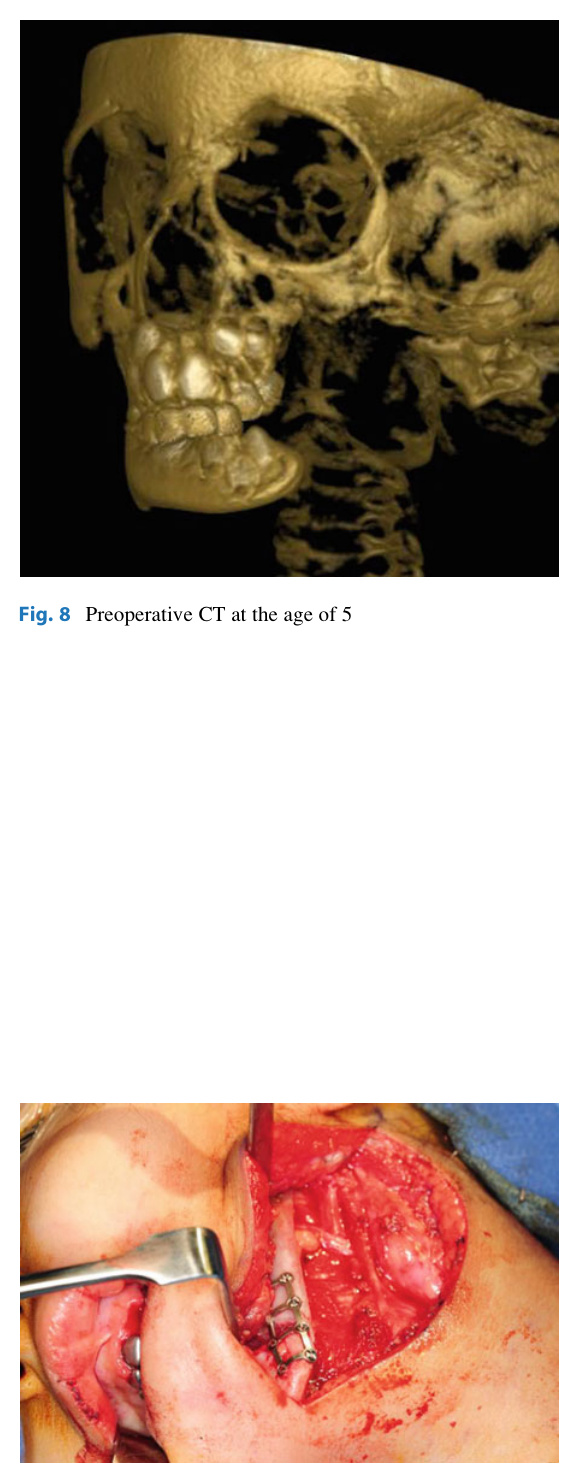
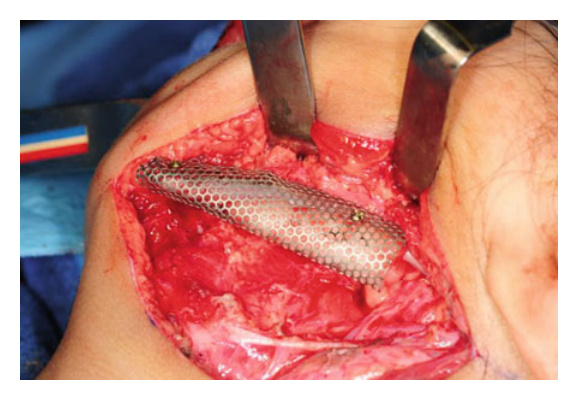
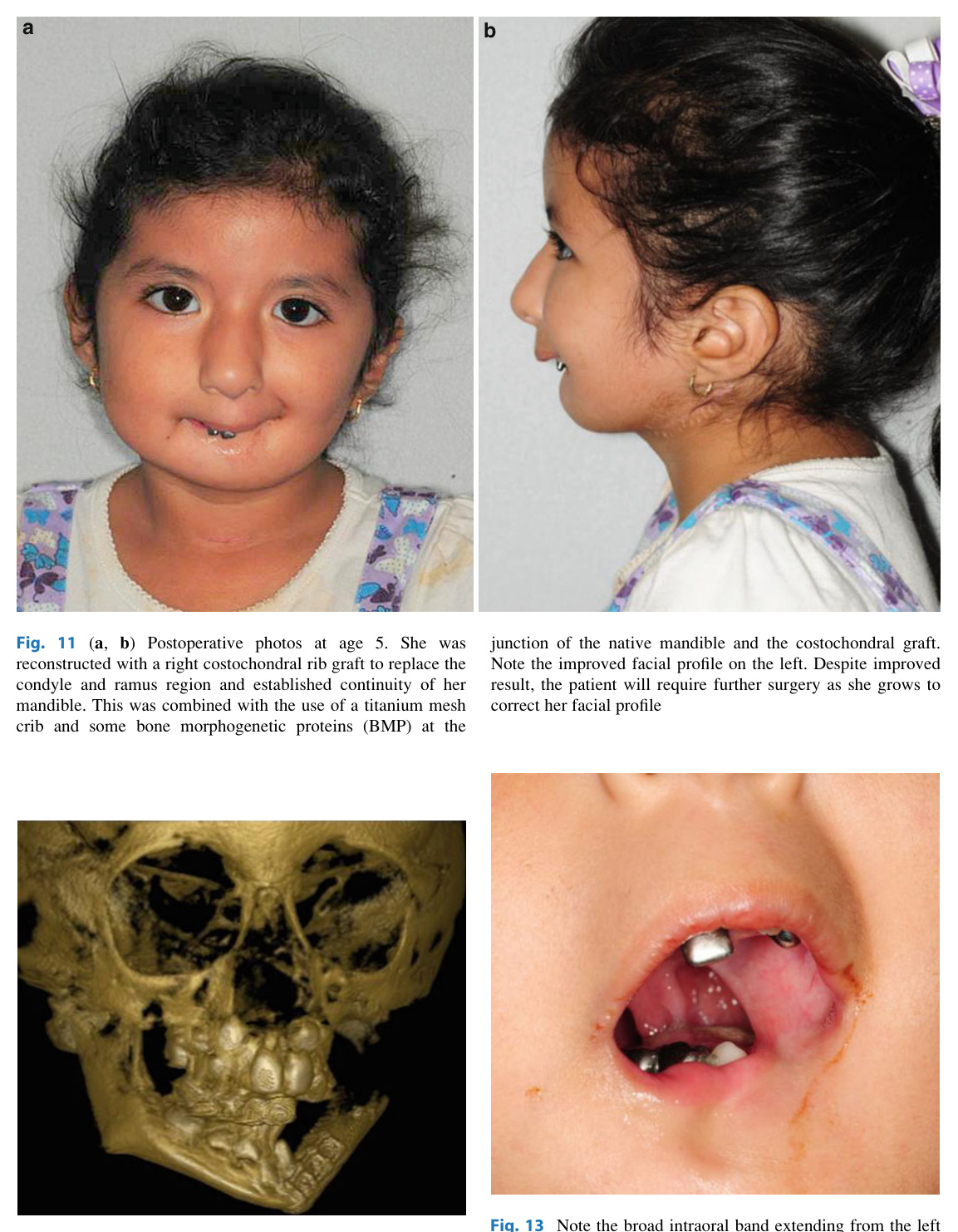
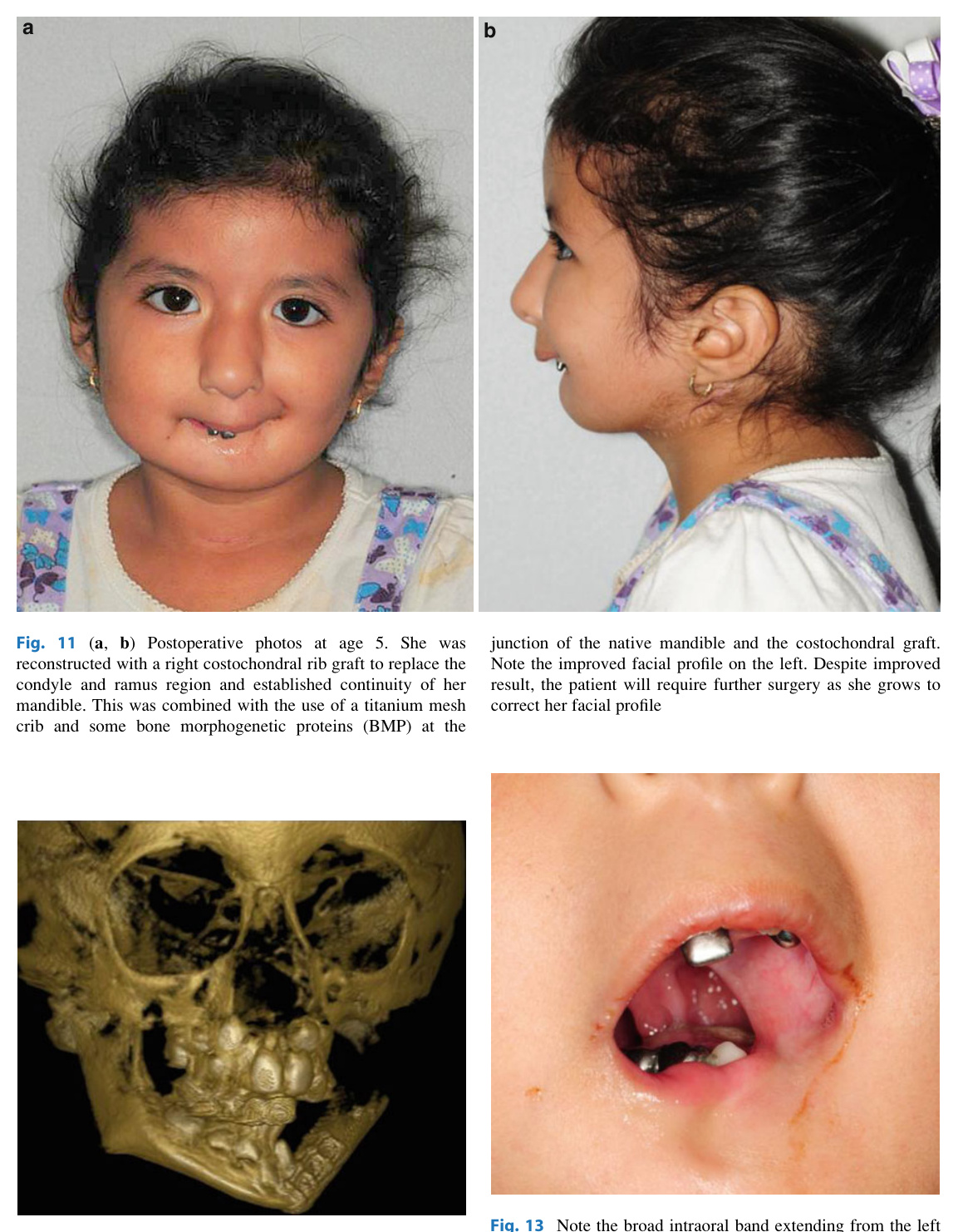
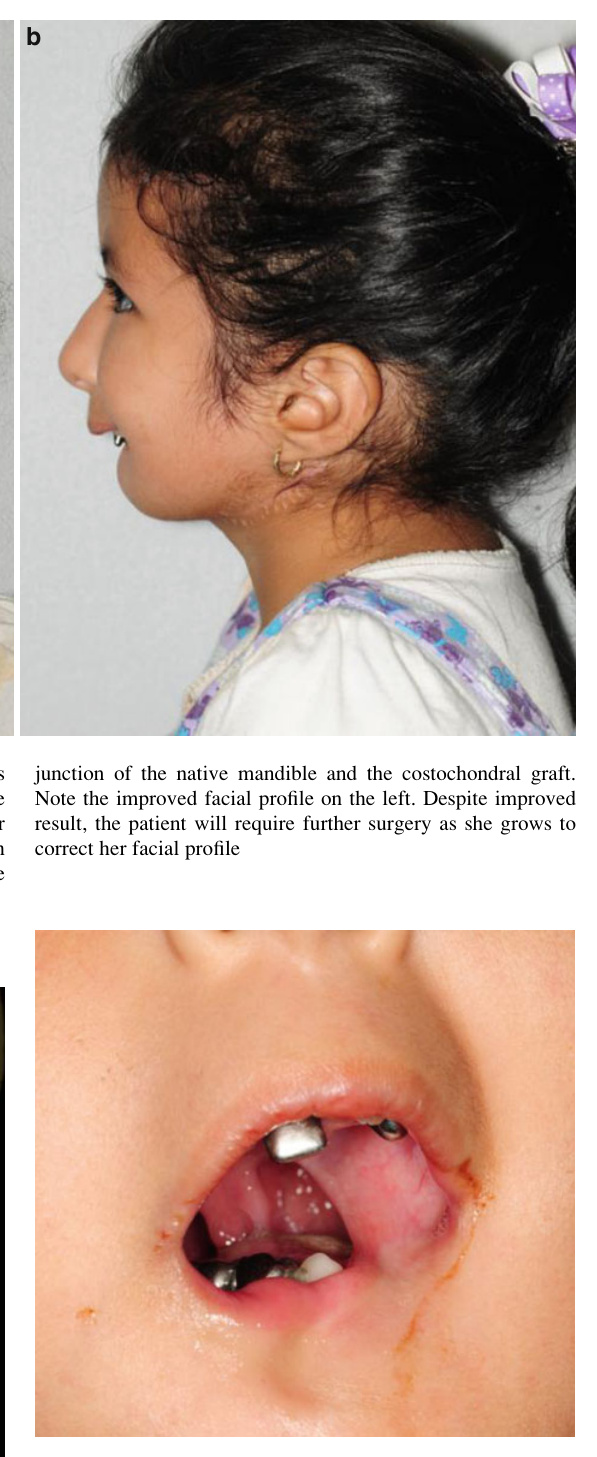
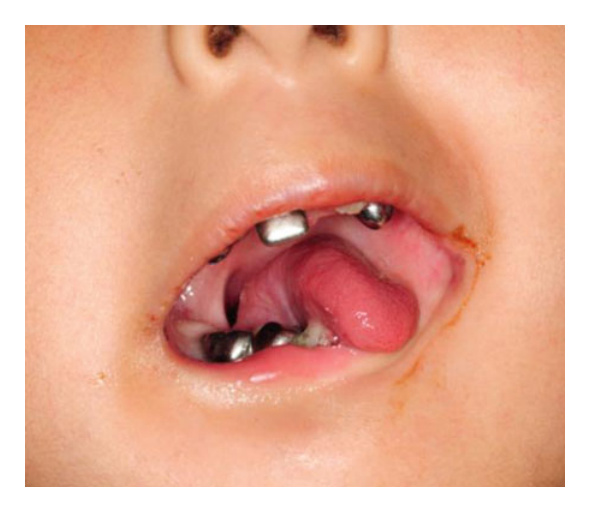
临床表型全貌与自然转归 (Clinical Features)
主要症状、核心体征、严重度分型、各期并发症及长期预后
1. 主要临床症状 (Major Clinical Symptoms)
下颌异常
微/缩颌(micro-/retrognathia):婴儿期轻度喂养问题,轻度言语障碍。少牙(oligodontia)。下颌切牙缺失伴相关牙槽嵴发育不全。其他特征包括轻度下唇缺陷、小口畸形(markedly reduced mouth opening)、口内束带(intraoral bands)、口腔系带(oral frenula)、口腔颌融合(oral syngnathia)。
舌异常
不同程度的舌发育不全(hypoglossia)。舌系带短缩(ankyloglossia)。舌下肌肉嵴明显增大。舌下腺和下颌下腺肥大。
肢体异常
可累及任何肢体。远端缩减异常:少指(oligodactyly,部分手指和脚趾缺失)、无指(adactylia,先天性手指和脚趾缺失)、肢体远端严重先天性畸形(peromelia,包括手和足缺失)。并指(syndactyly)。
其他相关异常
Moebius综合征。大阴唇融合。单侧肾缺如。肛门闭锁。
智力
智力正常。
2. 主要体格检查体征 (Major Clinical Signs)
面部体征
睑裂反蒙古样倾斜(antimongoloid slant of the palpebral fissures),面瘫(facial palsy),微/缩颌,小口畸形,舌发育不全。
口腔体征
小口畸形(明显张口受限),口内束带,口腔系带,口腔颌融合,舌发育不全,舌系带短缩,舌下肌肉嵴明显增大,舌下腺和下颌下腺肥大,少牙,下颌切牙缺失伴牙槽嵴发育不全,轻度下唇缺陷。
肢体体征
少指、无指、肢体远端严重先天性畸形、并指。远端肢体缺陷可不对称。
其他体征
面瘫,睑裂反蒙古样倾斜,大阴唇融合,单侧肾缺如,肛门闭锁。
3. 并发症与生命安全风险 (Complications / Risks)
- 婴儿期喂养问题
- 言语障碍
- 危及生命的严重异常(干扰吞咽、呼吸、进食)
- 可合并其他畸形(如先天性心脏病、肠道异常)
4. 自然病程、寿命预后与致死性亚型 (Prognosis & Lethal Forms)
- 智力正常
- 自然转归取决于肢体缺陷和口颌畸形的严重程度
- 需要多学科管理和多次手术干预
- 寿命预后通常不受影响,除非存在严重内脏畸形
辅助检查与全解剖部位影像征象 (Diagnostic Investigations)
骨骼放射平片解剖细分、颅颈磁共振MRI、组织病理学及分子诊断流程
放射影像学特征(各解剖部位细分征象 Radiologic Features)
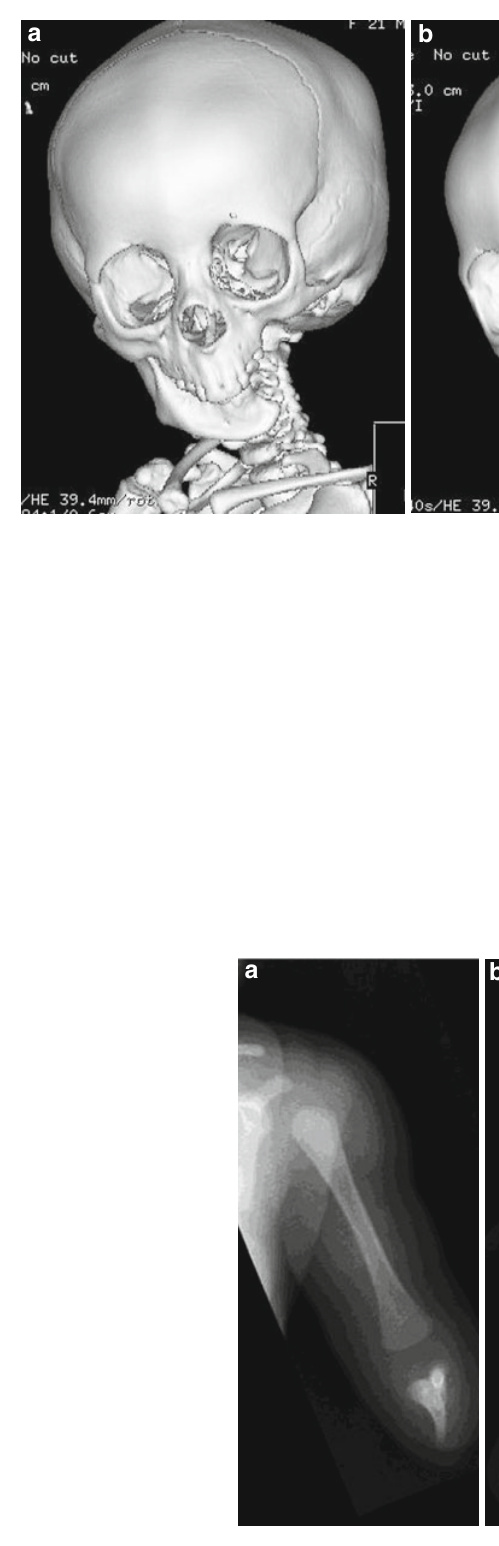
- 颞下颌关节融合
- 微/缩颌
- 少牙
- 牙槽嵴中线区骨缺损
- 下颌后缩且缩小
- 下颌前表面相对于下颌下平面倾斜陡峭
- 可变远端肢体缺陷
- 远端肢体不对称缩减畸形
- 严重程度从指发育不全到肢体远端严重先天性畸形
- 横向生长停滞(如左前臂近端三分之一以远、右腕以远)
- 桡骨和尺骨V形形成伴生长停滞
- 右位心
- 腹部器官转位
- 空肠闭锁
- 短肠
- “苹果皮”样肠
颅脑与颅颈交界区 MRI (Craniocervical MRI)
- 评估舌发育不全的程度
- 评估舌与腭下表面之间的间隙
- 评估口底肥大
生长板组织病理学 (Histology / Pathology)
- 无特异性组织病理学发现报道
分子与细胞遗传学检测策略 (Mutation Analysis)
- 目前无特异性分子检测。诊断主要基于临床和影像学。
遗传咨询、再发风险与全生命周期健康监护
生殖腺嵌合体风险量化、产前鉴别生长曲线及 AAP 临床监护规范
再发风险量化评估 (Recurrence Risk Assessment)
- 患者同胞:不增加
- 患者后代:不增加,除非该病症代表常染色体显性遗传,此时有50%风险生育受累后代
产前筛查、超声鉴别与分子确诊路径 (Prenatal Diagnosis)
产前超声
尚未见报道。理论上可能检测到小颌、舌发育不全和肢体缺陷,但无特异性。
临床健康监护与多学科干预方案 (Management & Health Supervision Protocol)
手术干预
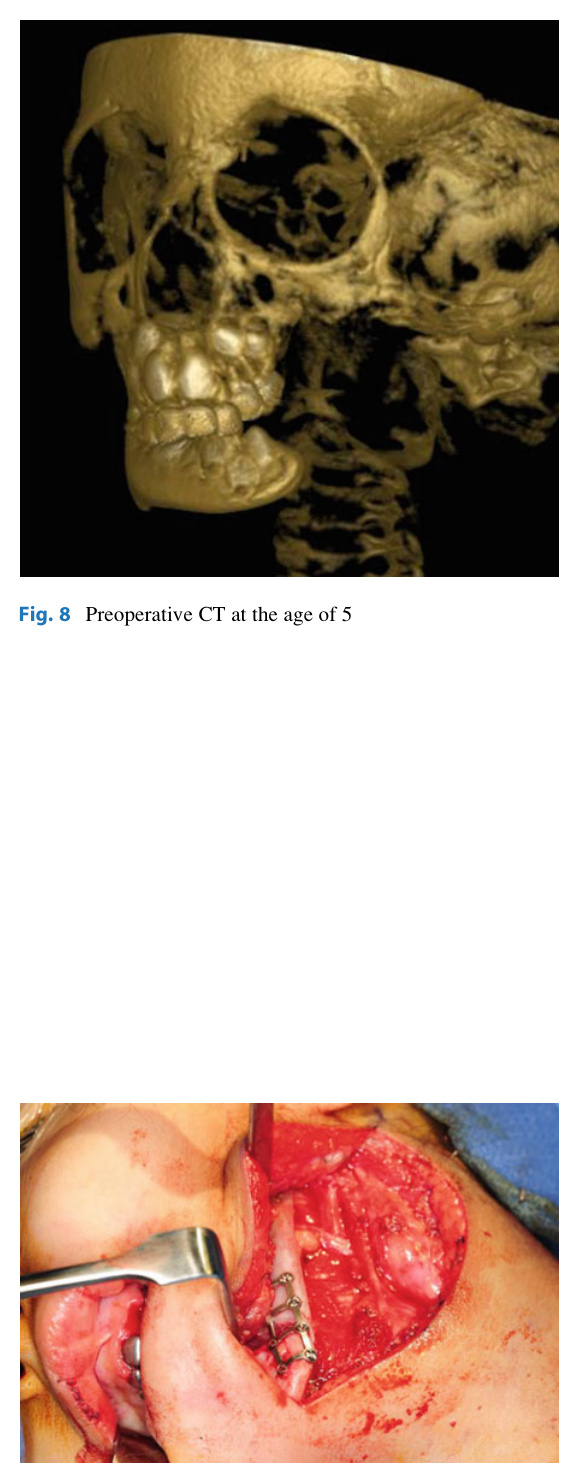
对危及生命和干扰吞咽、呼吸和进食的严重异常进行早期手术干预。下颌前移。牵张成骨改善发育不全下颌的大小和形状。肋软骨移植重建下颌骨(如髁突和升支区域),可结合钛网和骨形态发生蛋白(BMP)。
牙科/正畸
拔除多生牙。正畸扩弓矫治器扩宽下颌牙弓。
多学科随访
需要儿科、口腔颌面外科、整形外科、正畸科、言语治疗、营养支持等多学科团队长期随访。随着生长可能需要多次手术矫正面部轮廓。
权威原著参考文献 (References)
Harold Chen 著作全书收录之经典学术文献与循证医学来源
- Alexander, R., Friedman, J. S., Eichen, M. M., et al. (1992). Oromandibular-limb hypogenesis syndrome: Type II A, hypoglossia-hypodactylia–report of a case. The British Journal of Oral & Maxillofacial Surgery, 30, 404–406.
- Alvarez, G. E. (1976). The aglossia-adactylia syndrome. British Journal of Plastic Surgery, 29, 175–178.
- Bersu, E. T., Pettersen, J. C., Charboneau, W. J., et al. (1976). Studies of malformation syndromes of man XXXXIA: Anatomical studies in the Hanhart syndrome–a pathogenetic hypothesis. European Journal of Pediatrics, 122, 1–17.
- Bonneau, D., Roume, J., Gonzalez, M., et al. (1999). Splenogonadal fusion limb defect syndrome: Report of five new cases and review. American Journal of Medical Genetics, 86, 347–358.
- Cohen, M. M., Jr., Pantke, H., & Siris, E. (1971). Nosologic and genetic considerations in the aglossy-adactyly syndrome. Birth Defects Original Article Series, 7(7), 237–240.
- Coskunfirat, O. K., Velidedeoglu, H. V., Demir, Z., et al. (1999). An unusual case of hypoglossia-hypodactyly syndrome. Annals of Plastic Surgery, 42, 333–336.
- David, A., Roze, J. C., Remond, S., et al. (1992). Hypoglossia-hypodactylia syndrome with jejunal atresia in an infant of a diabetic mother. American Journal of Medical Genetics, 43, 882–884.
- Dellagrammaticas, H., Tzaki, M., Kapiki, A., et al. (1982). Hanhart syndrome: Possibility of autosomal recessive inheritance. Progress in Clinical and Biological Research, 104, 299–305.
- Elalaoui, S. C., Ratbi, I., Malih, M., et al. (2010). Severe form of hypoglossia–hypodactylia syndrome associated with complex cardiopathy: A case report. International Journal of Pediatric Otorhinolaryngol, 74(9), 1092–1094.
- Gorlin, R. J., Cohen, M. M., Jr., & Hennekam, R. C. M. (2001). Syndromes of the head and neck (4th ed.). New York: Oxford University Press.
- Grippaudo, F. R., & Kennedy, D. C. (1998). Oromandibular-limb hypogenesis syndromes: A case of aglossia with an intraoral band. British Journal of Plastic Surgery, 51, 480–483.
- Hall, B. D. (1971). Aglossia-adactylia. Birth Defects Original Article Series, 7(7), 233–236.
- Harwin, S. M., & Lorinsky, L. C. (1970). Picture of the month: Aglossia-adactylia syndrome. American Journal of Diseases of Children, 119, 255–256.
- Herrmann, J., Pallister, P. D., Gilbert, E. F., et al. (1976). Studies of malformation syndromes of man XXXXI B: Nosologic studies in the Hanhart and the Mobius syndrome. European Journal of Pediatrics, 122, 19–55.
- Johnson, G. F., & Robinow, M. (1978). Aglossia-adactylia. Radiology, 128, 127–132.
- Kelln, E. E., Bennett, C. G., & Klingberg, W. G. (1968). Aglossia-adactylia syndrome. American Journal of Diseases of Children, 116, 549–552.
- Lustmann, J., Lurie, R., Struthers, P., et al. (1981). The hypoglossia–hypodactylia syndrome. Report of 2 cases. Oral Surgery, Oral Medicine, and Oral Pathology, 51, 403–408.
- McPherson, F., Frias, J. L., Spicer, D., et al. (2003). Splenogonadal fusion-limb defect “syndrome” and associated malformations. American Journal of Medical Genetics, 120A, 518–522.
- Mishima, K., Sugahara, T., Mori, Y., et al. (1996). Case report: Hypoglossia-hypodactylia syndrome. Journal of Cranio-Maxillo-Facial Surgery, 24, 36–39.
- Nevin, N. C., Burrows, D., Allen, G., et al. (1975). Aglossia-adactylia syndrome. Journal of Medical Genetics, 12, 89–93.
- Nevin, N. C., Dodge, J. A., & Kernohan, D. C. (1970). Aglossia-adactylia syndrome. Oral Surgery, Oral Medicine, and Oral Pathology, 29, 443–446.
- Pauli, R. M., & Greenlaw, A. (1982). Limb deficiency and splenogonadal fusion. American Journal of Medical Genetics, 13, 81–90.
- Qaisi, M., Chen, H., Ghali, G. E. (2010). Oromandibular limb hypogenesis syndrome with a unique presentation of hemimandibular agenesis. Personal communication.
- Robertson, S. P., & Bankier, A. (1999). Oromandibular limb hypogenesis complex (Hanhart syndrome): A severe adult phenotype. American Journal of Medical Genetics, 83, 427–429.
- Robinow, M., Marsh, J. L., Edgerton, M. T., et al. (1978). Discordance in monozygotic twins for aglossia-adactylia, and possible clues to the pathogenesis of the syndrome. Birth Defects Original Article Series, 14, 223–230.
- Scott, C. I., Jr. (1971). Aglossia-adactylia syndrome. Birth Defects Original Article Series, 7, 281.
- Stallard, M. C., & Saad, M. N. (1976). Aglossia-adactylia syndrome. Case reports. Plastic and Reconstructive Surgery, 57, 92–95.
- Steigner, M., Stewart, R. E., & Setoguchi, Y. (1975). Combined limb deficiencies and cranial nerve dysfunction: Report of six cases. Birth Defects Original Article Series, 11(5), 133–141.
- Tuncbilek, E., Yalcin, C., & Atasu, M. (1977). Aglossia-adactylia syndrome (special emphasis on the inheritance pattern). Clinical Genetics, 11, 421–423.
- Wada, T., Inoue, K., Fukuda, T., et al. (1980). Hypoglossia-hypodactylia syndrome: Report of a case. The Journal of Osaka University Dental School, 20, 297–304.
- Yasuda, Y., Kitai, N., Fujii, Y., et al. (2003). Report of a patient with hypoglossia-hypodactylia syndrome and a review of the literature. The Cleft Palate-Craniofacial Journal, 40, 196–202.